
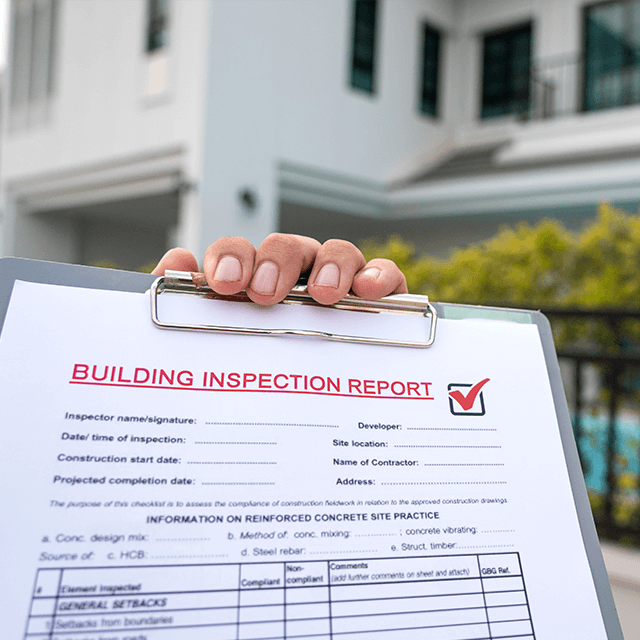
Buying a brand-new home is exciting. Everything is fresh, modern, and unused. For many buyers, a new build represents peace of mind—no hidden problems, no maintenance headaches, and no surprises.
So it often comes as a shock when we tell clients at Global Finance that new-build homes in Auckland still need a building inspection before settlement.
If you’re arranging a mortgage or insurance for a newly built property, this single step can protect both your finances and your future enjoyment of the home.
Let’s explain why.
“It’s New – What Could Possibly Be Wrong?”
This is one of the most common assumptions we hear from borrowers.
The reality is that new does not always mean defect‑free.
Independent research has shown that a significant proportion of new homes have defects at handover. These aren’t just minor cosmetic issues. Some defects involve:
- Structural elements
- Weathertightness and moisture protection
- Drainage and plumbing
- Roofing and cladding installation
Left unidentified, these issues can lead to serious repair costs that fall back on the homeowner—not the builder.
As your mortgage and insurance adviser, our role is to help you avoid unnecessary financial risk before it ever reaches your balance sheet.
What Is a New Build or Pre‑Settlement Inspection?
A new build inspection is different from a standard pre‑purchase inspection on an older home.
Rather than looking for wear and tear, the inspection focuses on:
- Quality of workmanship
- Correct installation of materials
- Incomplete or defective work
- Compliance with expected building standards
The inspection is ideally carried out at practical completion—when the home is essentially finished but before legal settlement occurs.
This timing matters.
Before settlement, you still have leverage.
Why Timing Is Everything
Once settlement happens and your mortgage draws down:
- You become responsible for the property
- Any defects become harder (and slower) to resolve
- Builders may dispute responsibility or delay repairs
Before settlement:
- Builders are contractually obligated to fix identified issues
- Defects can be rectified before handover
- Price adjustments or repair agreements can be negotiated
A professional inspection report gives you documented proof of the home’s condition at handover—critical if disagreements arise later.
Common Issues Found in Auckland New Builds
Many buyers are surprised by what inspectors routinely uncover in brand-new properties.
- Weathertightness & Cladding Issues
Auckland’s climate puts immense pressure on building envelopes. Common findings include:
- Poor flashing around windows and doors
- Gaps in cladding junctions
- Inadequate sealing
These issues often don’t cause immediate leaks—but they can quietly lead to moisture intrusion and timber decay, costing tens of thousands to fix later.
- Roof and Gutter Defects
Inspectors frequently observe:
- Incorrect roofing overlaps
- Blocked or poorly graded gutters
- Inadequate downpipe connections
Water damage from roofing failures is particularly serious as it can affect multiple areas of the home.
- Interior Finishing Problems
Even inside the home, defects are common:
- Poor paint finishes
- Uneven plasterwork
- Ill‑fitting doors and cabinetry
- Cracked tiles
While some seem minor, they often indicate rushed or inconsistent workmanship.
- Plumbing and Drainage Concerns
Issues can include:
- Poor water pressure
- Leaking joints
- Incorrect pipe falls
- Drainage connections not functioning as designed
Plumbing defects can result in internal water damage or health risks over time.
The 12‑Month Defect Liability Period – Helpful but Limited
Most new builds come with a 12‑month defect liability period, during which the builder is required to fix defects.
However, here’s the catch:
- Defects found before settlement are easier to enforce
- Defects found after settlement often involve delays, disputes, and follow‑ups
Identifying issues early protects both your time and cashflow—something every mortgage holder can appreciate.
“But It Has a Code Compliance Certificate – Isn’t That Enough?”
Not quite.
A Code Compliance Certificate (CCC) confirms the property broadly complies with building consent requirements—but:
- Council inspectors do not check every detail
- CCCs confirm compliance, not workmanship quality
- Many defects fall outside what councils inspect
A CCC is important—but it does not replace an independent inspection done solely in your interest.
Why This Matters for Your Mortgage and Insurance
From a financial perspective, undetected defects can:
- Reduce property value
- Create unplanned maintenance costs
- Affect future insurability or claims
- Create disputes during resale
As advisers, we want your mortgage to be secured against an asset that holds its value—not one hiding expensive problems behind fresh paint.
A few hundred dollars spent on an inspection can prevent tens of thousands in repairs later.
What to Do If Defects Are Found
If an inspection identifies issues:
- Review the report carefully
- Provide it to the builder or developer
- Insist defects are resolved before settlement
- Involve your lawyer if negotiations stall
In more serious cases, inspection findings may influence whether you proceed with the purchase at all.
That’s not bad news—that’s informed decision‑making.
Our Advice at Global Finance
If you’re financing or insuring a new build:
✅ Arrange a building inspection before settlement
✅ Don’t rely solely on the CCC
✅ Treat inspections as risk management—not a formality
✅ Protect both your mortgage and your peace of mind
A new home is one of the largest financial commitments you’ll ever make. Assuming “new means perfect” is a risk no borrower should take.
If you’re unsure about when to arrange an inspection, how it fits into settlement timing, or what it means for your mortgage or insurance, talk to us early. We’re here to help you make confident, informed decisions—before small issues become big financial ones.
*The information and articles published are true to the best of the Global Finance Services Ltd knowledge. Since the information provided in this blog is of general nature and is not intended to be personalized financial advice. We encourage you to seek Financial advice which is personalized depending on your needs, goals, and circumstances before making any financial decision. No person or persons who rely directly or indirectly upon information contained in this article may hold Global Financial Services Ltd or its employees liable.